Each summer, students conduct research on one of three projects led by expert faculty mentors.
Summer 2026
There will be three projects at the intersection of humans, systems, and analytics.
Human-AI Teaming to Support Adaptive Performance in Healthcare Systems
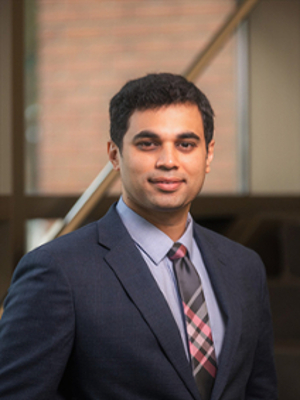
Faculty Mentor: Dr. Sudeep Hegde
This research project offers students an opportunity to explore the area of human-AI teaming, focusing on designing systems that help people and artificial intelligence (AI) work together effectively in complex environments like healthcare. These environments, often referred to as “sociotechnical systems”, involve intricate interactions between people, machines, and processes to achieve shared goals. Students will analyze real-world data from incident reports, staff feedback surveys, and other sources to understand how teams currently adapt to challenges. The analysis will be supported by AI and machine learning (ML) tools to identify patterns and develop intelligent systems that support better coordination and decision-making. Through this hands-on experience, you’ll learn fundamental concepts in human-AI collaboration, data analysis, systems thinking and design while contributing to meaningful solutions that could improve patient safety and organizational resilience. Students should expect to work collaboratively, engage with authentic healthcare data, develop technical skills in AI/ML methods, and think critically about how to design technology that supports (rather than replaces) human expertise. Prior programming experience is helpful but not required.
Survivor-Centered Analytics to Help Disrupt the Harm Caused by Sex Trafficking
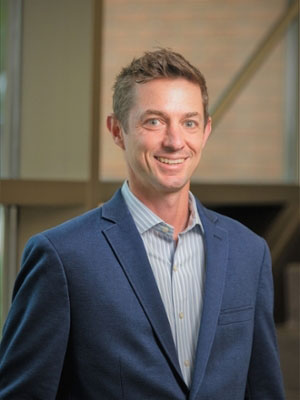
Faculty Mentor: Dr. Thomas Sharkey
Mathematical models and analytics offer promise to help provide insights into how to disrupt sex trafficking; however, these models and analytics are abstracting trauma and should be created in responsible, survivor-centered manners. In this project, students will learn how to combine knowledge from different areas, including other academic disciplines and lived experience expertise, to create models and analytics to help disrupt sex trafficking and the harm it does to people, families, and communities. The project goal will be to provide impactful, practical analytics that can help long-term healing and recovery journeys of trafficking survivors, while also recognizing the importance of providing the limitations of these analytics.
Statistical Analysis and Large Language Models for Effective Health Literacy
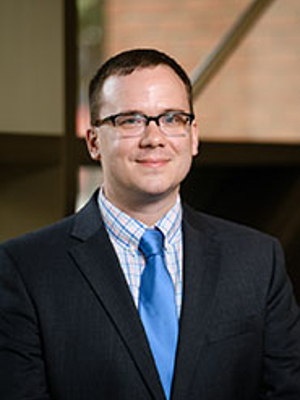
Faculty Mentor: Dr. David Neyens
This project will examine the interactions that users have with large language models (LMMs) (e.g., ChatGPT or Claude) as they relate to health education and improving health literacy. The user interface, the style of communication and the language have been shown to impact outcomes for both LLMs and other online health resources. It has also been shown that the complexity of responses and stated qualifications of a chatbot influenced health-related outcomes, finding that more technical responses led to more effective outcomes. Inequities in access and acquiring healthcare is compounded by low health literacy and these low-cost accesses to information may help reduce the disparity in healthcare through health education. Advanced statistical approaches are required to capture and assess the experimental and real-life complex interactions with LLMs. This project will work to statistically predict user’s engagement from chat log and other data using Bayesian prediction methods.