
Welcome to the Ergonomics and Applied Statistics Lab
The EASt Lab is a multi-disciplinary research laboratory taking human factors and ergonomics approaches to examine operator behaviors and performance in complex systems and environments. We use advanced statistical and modeling methods to design, develop, and evaluate human-centered solutions. We center our work within the healthcare sociotechnical system with an objective of improving efficacy, quality, and effective care.
Department of Industrial Engineering

Current Projects
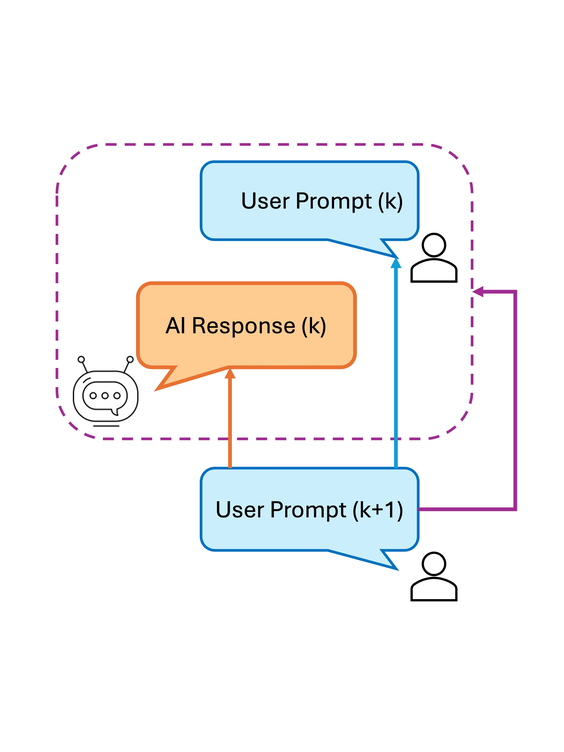
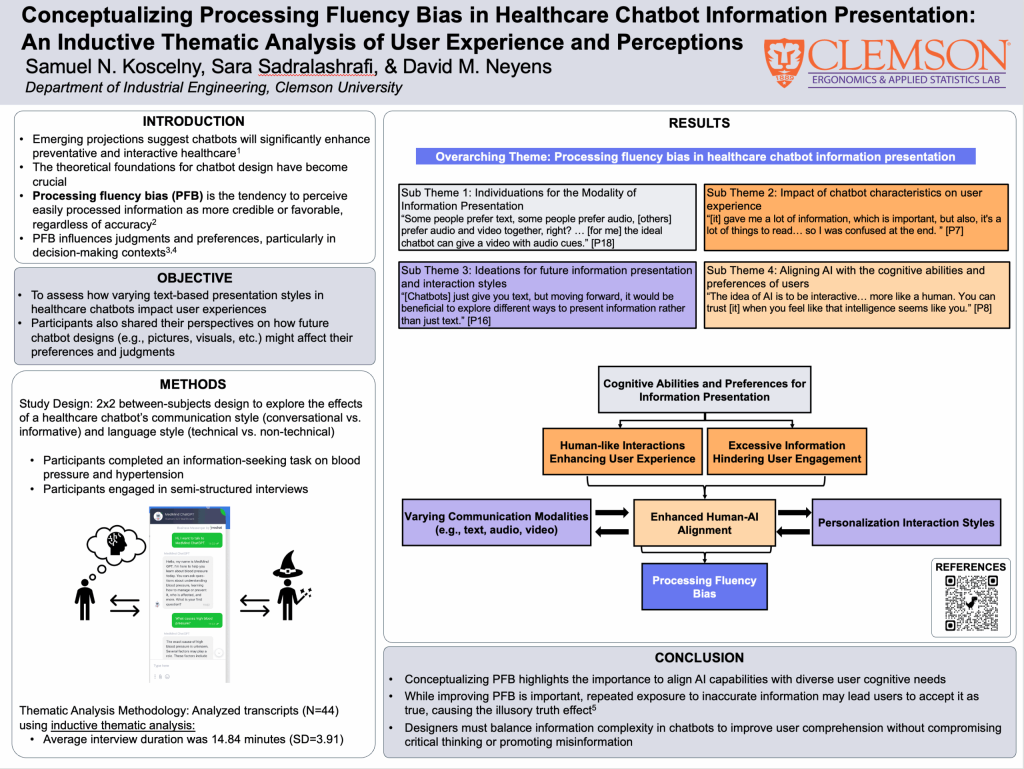
Using LLM-based chatbots for health education
We are evaluating the impact that chatbot and AI technology have on learning and developing an understanding of complex health concepts and conditions.

STEPS2Clemson
We are working on an NSF S-STEM project (STEPS2Clemson) to support transfer students to Clemson engineering majors and studying how to best support transfer students for success.
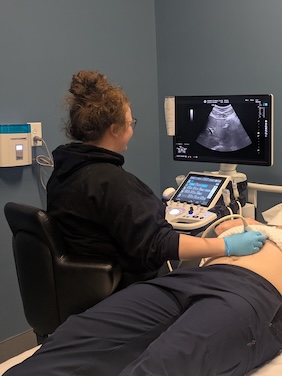
Evaluating ergonomic issues for Ultrasound Technicians
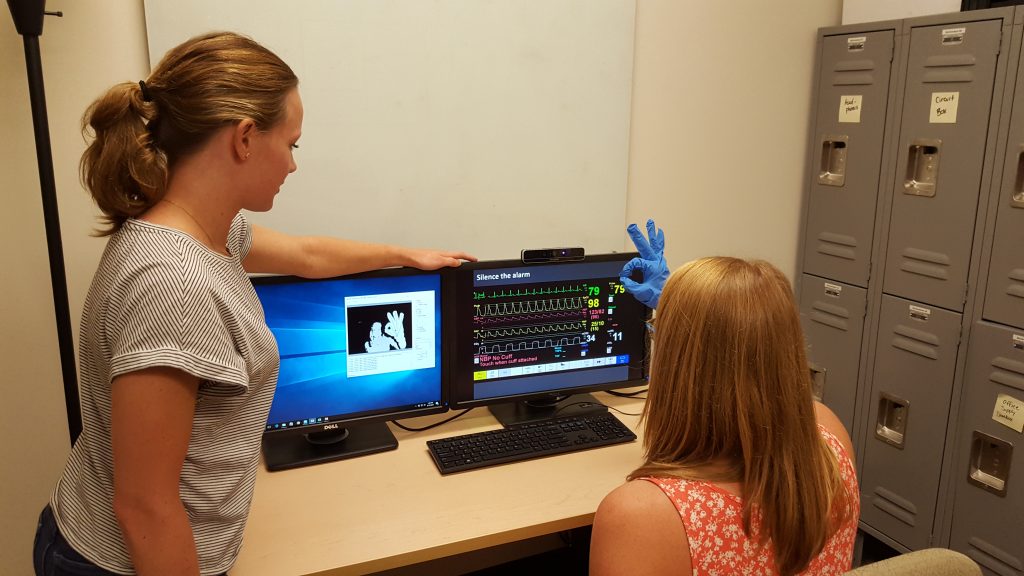
We are evaluating the use of technology (e.g., gestural human computer interaction) and education to address ergonomics issues that ultrasound technicians face in providing patient care.
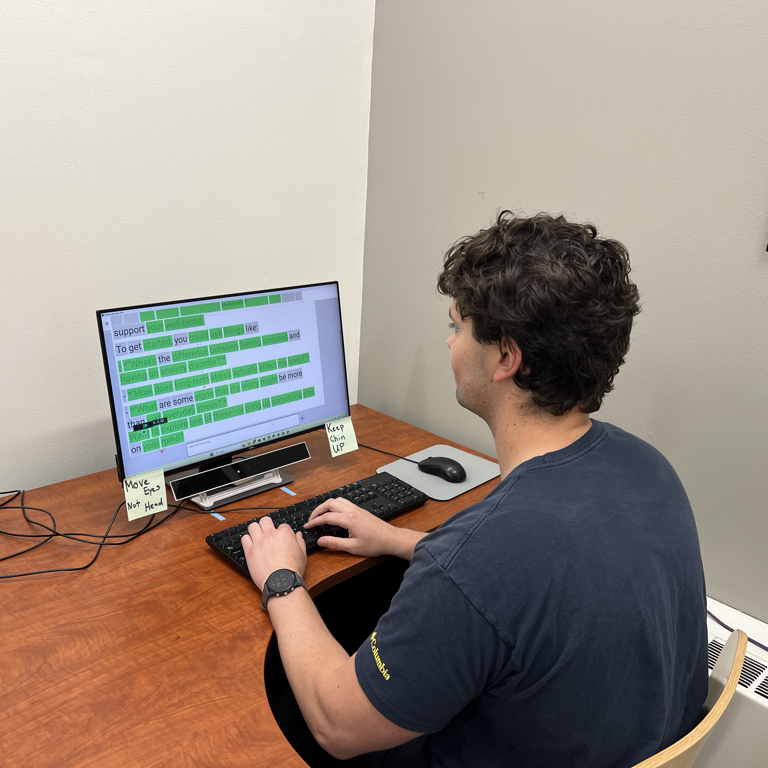
Interface and interaction designs for LLM-based chatbots
We are evaluating the impact of different design and interaction characteristics of LLM-based chatbots that can improve usability and effectiveness.
Past Projects
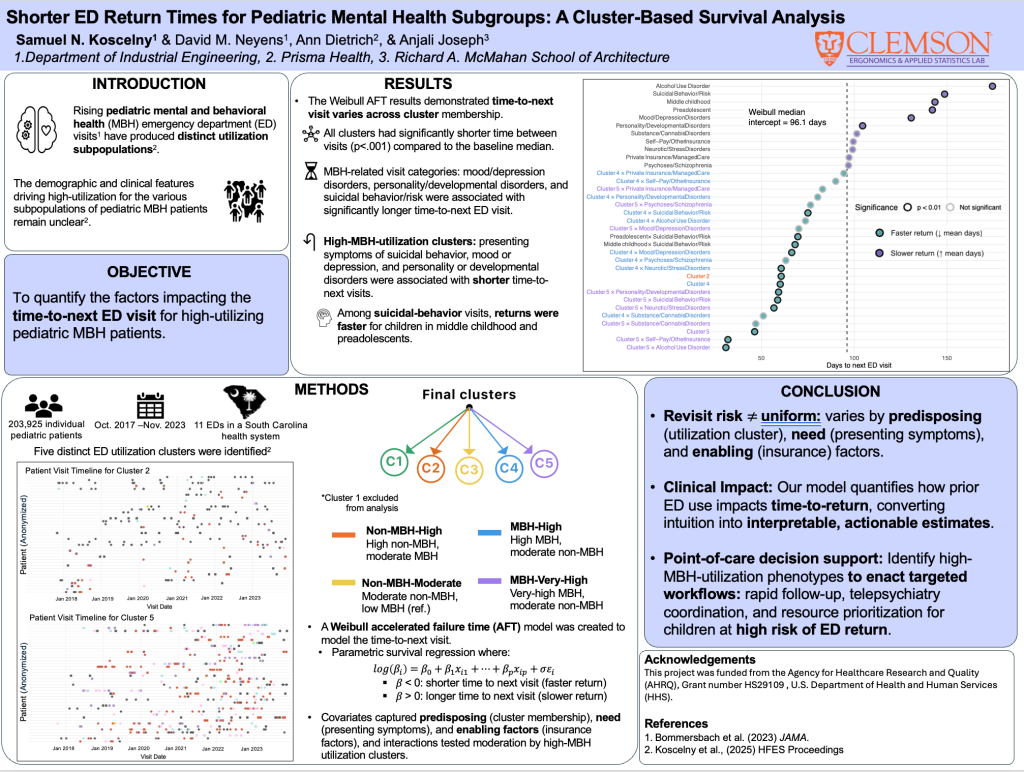
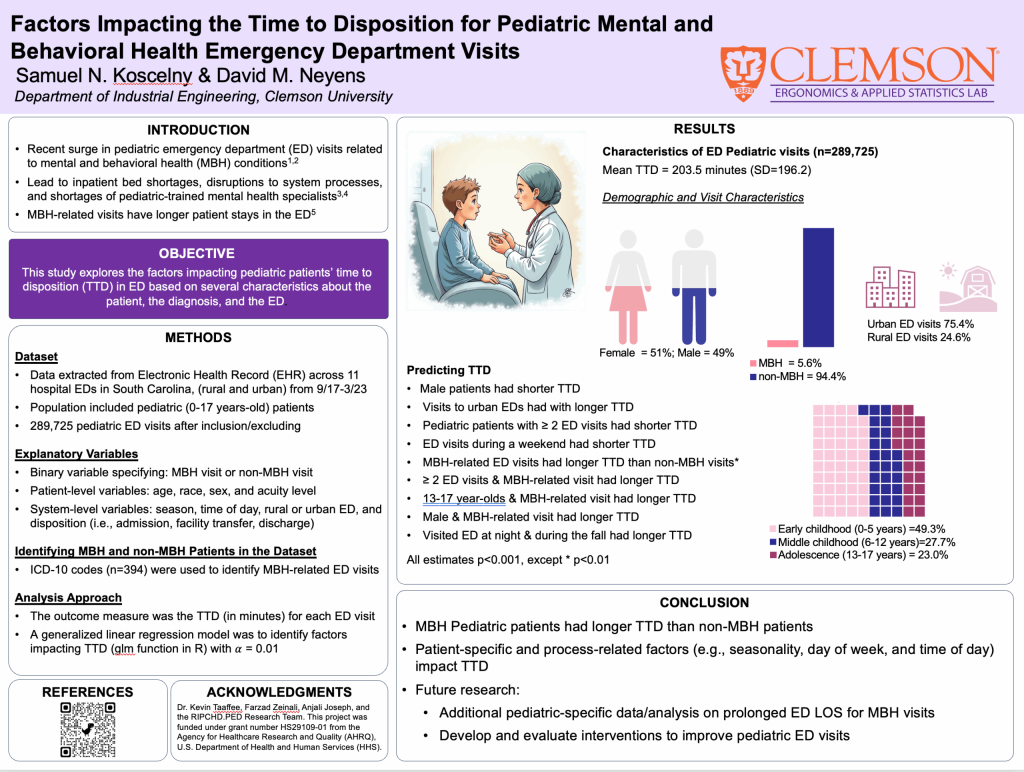
Modeling emergency department processes and populations for pediatric mental and behavioral health
We have evaluated large data sets to examine how processes and interventions could improve the delivery of care for pediatric mental and behavioral health patients.
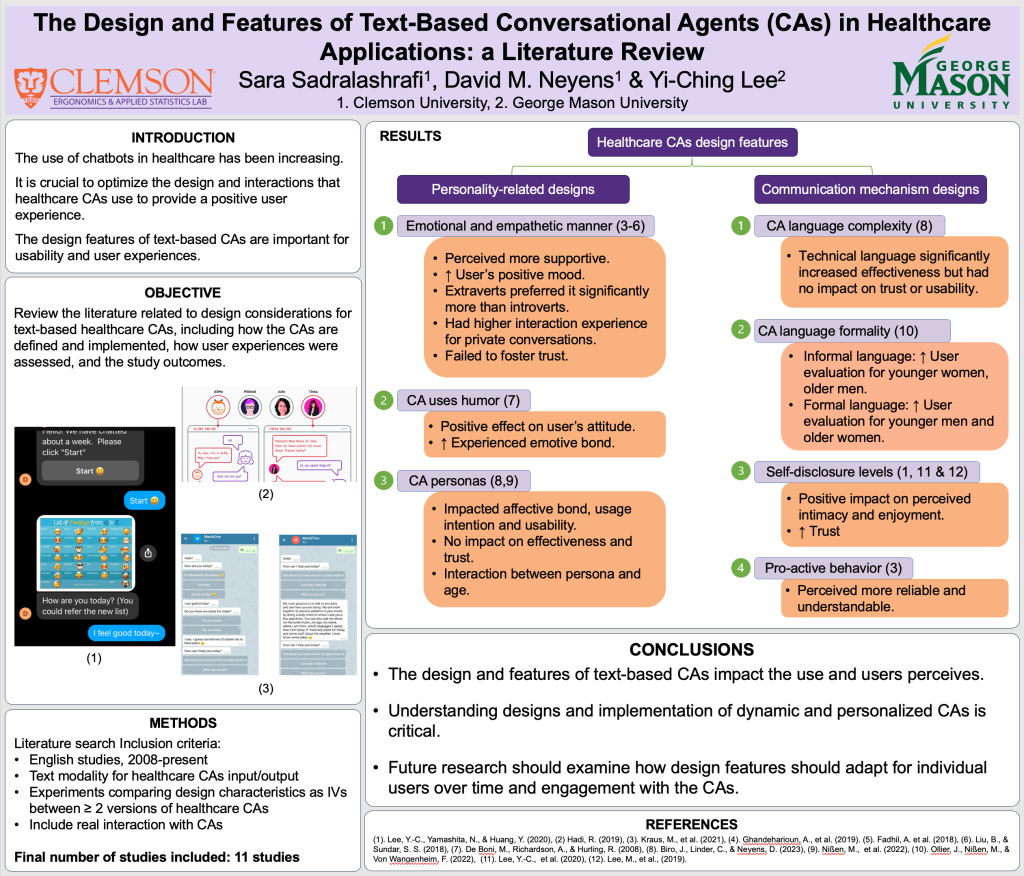
Evaluating the effectiveness of healthcare chatbots
The use of chatbots is growing in telehealth applications, yet few studies have examined how design characteristics influence the effectiveness of chatbots in the healthcare domain. We are examining how chatbot characteristics including language (i.e., reading level), personas (i.e., doctor, nurse, or nursing student), and the use of avatars influence the effectiveness, usability, and trust in healthcare chatbots.
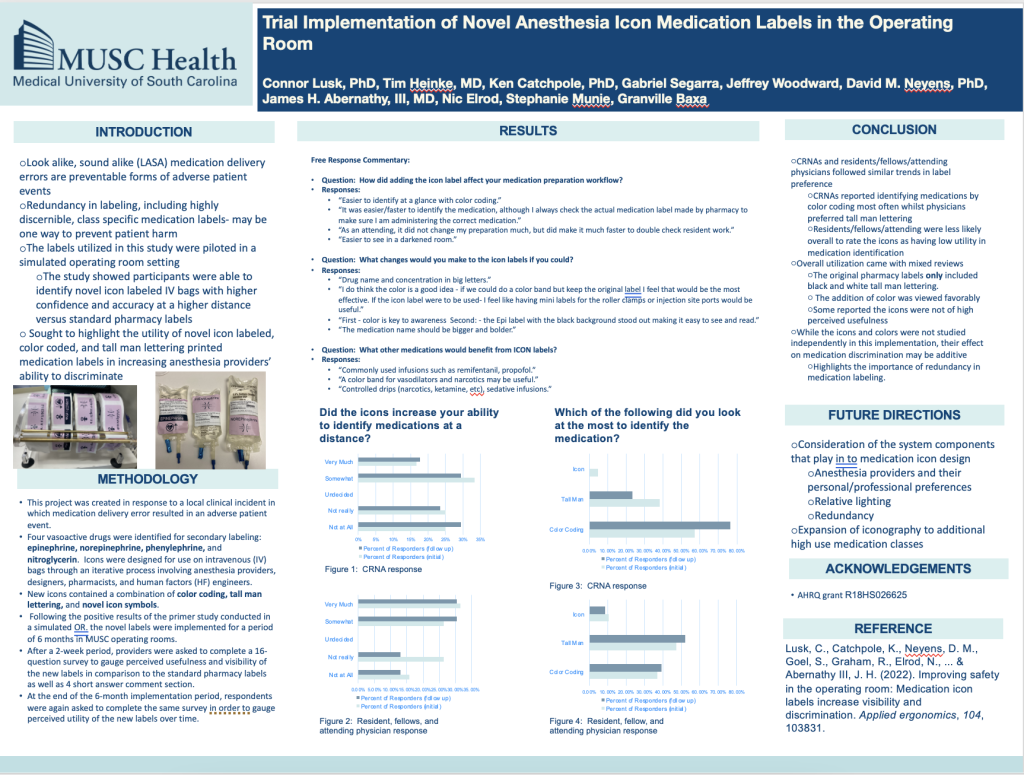
Examining the design of anesthesia workstations
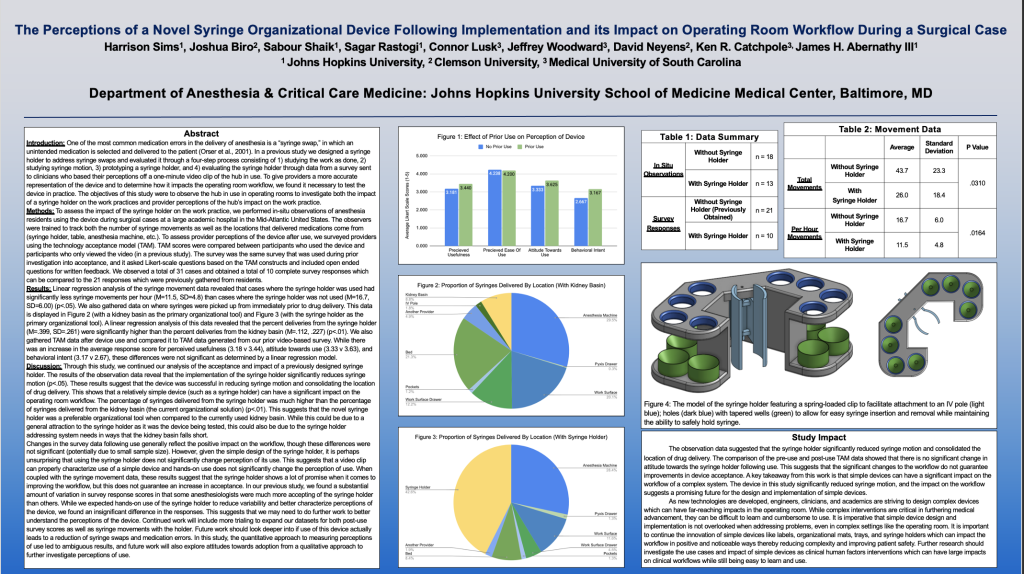
We have examined the way that the anesthesia workstations within operating rooms are designed and arranged to support the work within anesthesia care. This has included task analysis, workspace assessments, and examining the movement of supplies and materials around in the workspace during a surgical case.
Using vignettes as an interview tool to examine variability in anesthesia work practices
Despite decades of research and improvements in safety, the risk of patient harm in the practice of anesthesia remains. The failure of efforts to effectively address patient harm represents a lack of consideration of the cognitive processes and diverse work practices employed in anesthesia delivery. We’ve use vignettes (hypothetical scenarios) as interview tools to elucidate how anesthesia providers may diverge from one another in their decision-making processes. We have identified variability in anesthesia providers’ decision-making strategies which must be considered in the development of future efforts to address patient harm, to support anesthesia providers’ critical resilience.
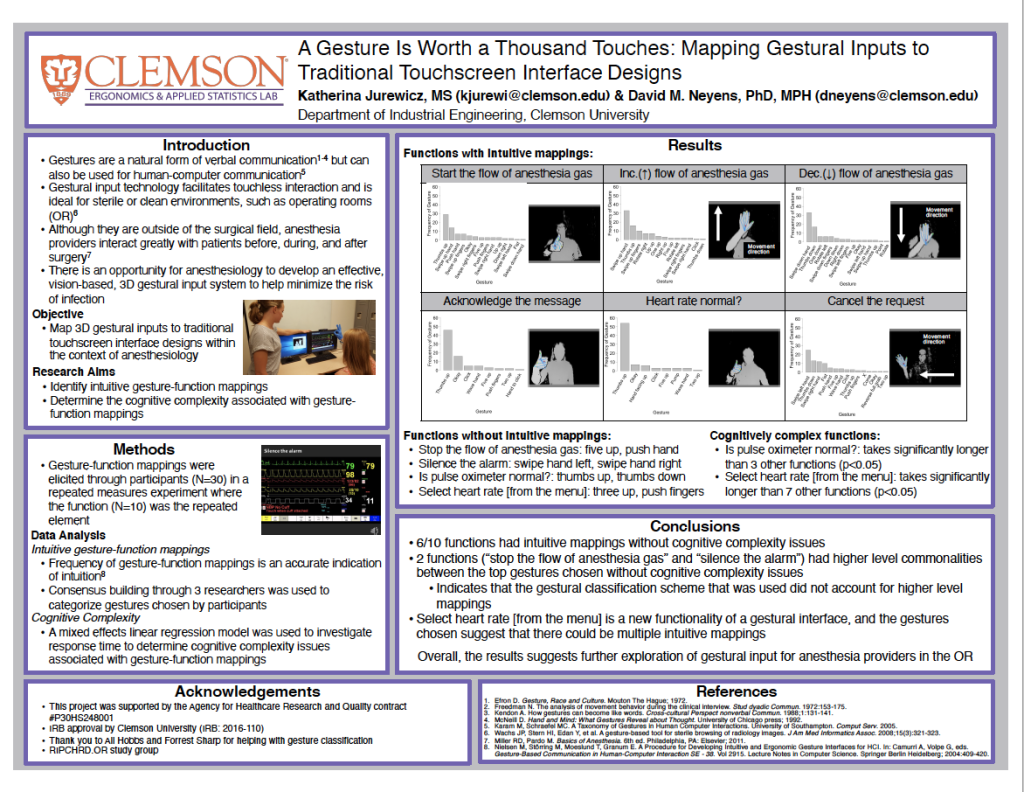
Examining the use of 3D gestural input systems
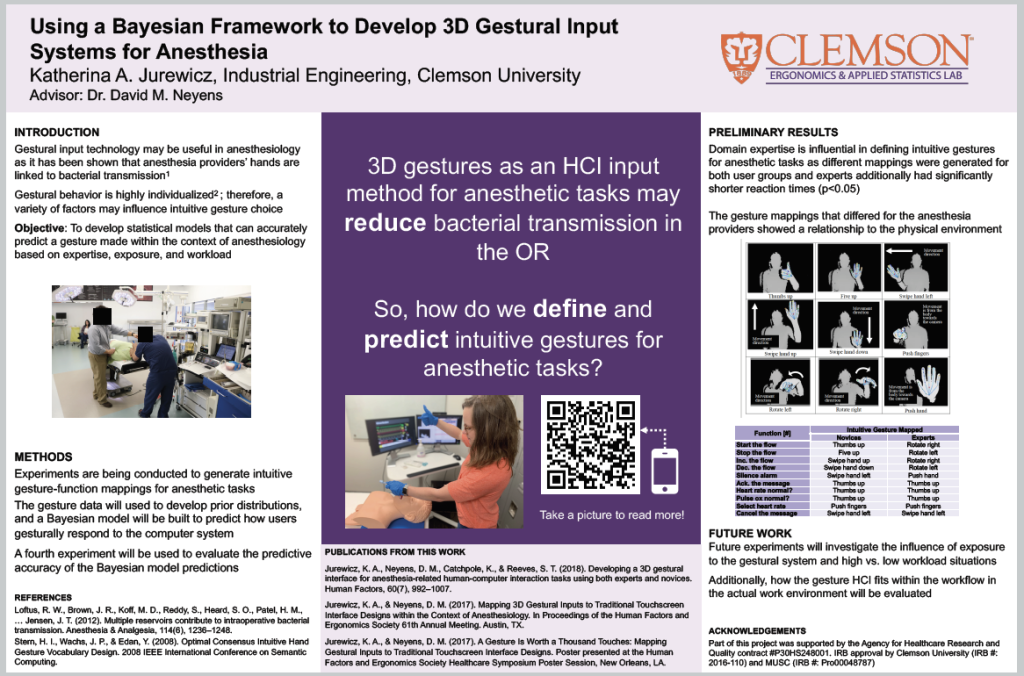
In-air gestures are a promising input modality as they are expressive, easy to use, quick to use, and natural for users. They may be particularly useful for domains like anesthesia, as the use of gestures could bypass the bacterial transmission that may occur when touching devices. However, gestural systems can be challenging to develop as gesture choice is dependent on context, and intuitive gestures may not be constant for every user (for example, an expert may find different gestures intuitive when compared to a novice). We are studying how expertise and exposure influence gestural behaviors, and whether we can develop Bayesian statistical models that can accurately predict how users would choose intuitive gestures.
Examining the effect of patient portals and the characteristics of portal users
Patient portals are websites or mobile applications that are designed to help patients access their Electronic Health Records (EHR), health summaries, pay bills, schedule appointments and, in some cases, interact with care providers. The use of patient portals has been associated with generating positive healthcare outcomes in recent studies. We are interested in examining the characteristics of EHR patient portal users, how they use patient portals, how EHR patient portal users access health information online, and how these factors impact users’ trust in their patient portals.
Examining how individuals with IBD search and use online health information
Individuals with chronic diseases are a unique user population in terms of their potential use of online health information in the self-management of their health. Crohn’s disease and ulcerative colitis are collectively referred to as inflammatory bowel disease (IBD), a chronic condition that affects the intestines, colon, and bowel. It is a complex, incurable disease that can result in long-term disability or mortality, and its highest incidence occurs in younger adults. A recent study suggested that the incidence of IBD has seen a dramatic increase to over 0.3% in North America and many European countries, and the incidence of IBD is expected to increase. We are interested in examining which factors may influence individuals with IBD to search the internet for healthcare-related information, what information they search for, and how to better support individual’s in their self-care of their IBD.
Using eye-tracking to evaluate the effectiveness of discharge instructions
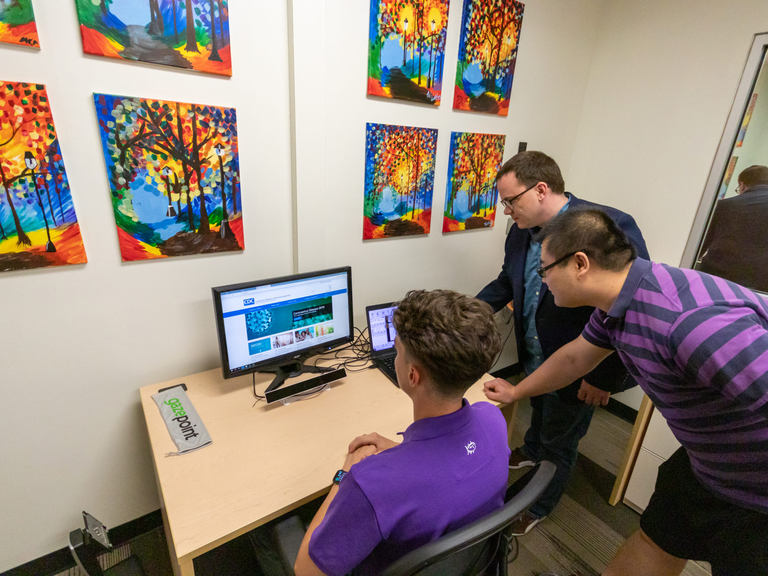
Discharge instructions (DI) are documents and information provided to patients when they complete a procedure or exam and need to follow up information or self-care tasks. The design of these information tools is a critical aspect of preventing complications and rehospitalizations. We are examining the design characteristics of DI using eye trackers to study how individuals engage with and read DIs. We are working to provide design recommendations and strategies for efficient and effective discharge instructions.
Our Team

Dr. David Neyens
Lab Director
Associate Professor of Industrial Engineering
Email: dneyens (at) clemson.edu

Nusrath Zahan
PhD Student
Email: nzahan [at] clemson.edu

Sara Sadralashrafi
PhD Student
Email: ssadral [at] g.clemson.edu

Sam Koscelny
PhD Student
Email: skoscel [at] clemson.edu
PhD ALUMNI
Josh Biro, PhD, 2023
Rong Yin, PhD, 2022
Katherina Jurewicz, PhD, 2020
Myrtede Alfred, PhD, 2017
Sijun Shen, PhD, 2016
Naji Abdelwanis PhD, 2013
MS ALUMNI
Samual Koscelny MS, 2024; Chris Gonzaga MS, 2024; Zachary Junkins MS, 2023; Joshua Biro MS, 2020; Courtney Linder, MS, 2020; Courtney Kinman, MS, 2018; Katherina Jurewicz, MS 2016; Mary (Ali) Hobbs, MS, 2016; Elizabeth Jamison, MS, 2016; Haley Vaigneur, MS, 2015; Puneeth Kalavagunta, MS 2015; Sagar Puro, MS, 2014; Susan Robinson, MS, 2014
Publications and Presentations
Highlighted Recent Papers
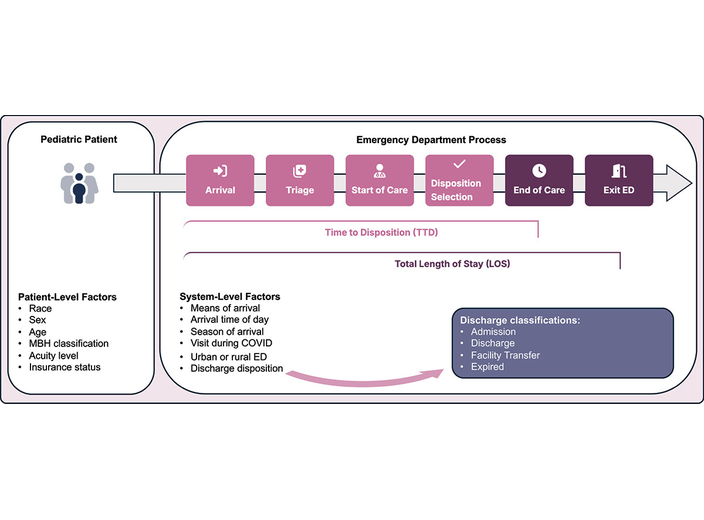
A multi-site big data analysis of factors impacting the time to disposition in pediatric mental and behavioural health emergency department visits
Koscelny, S.N., Neyens,D.M., Zeinali, F., Taaffe, K., Joseph, A., Dietrich, A.
https://doi.org/10.1080/20476965.2025.2577093
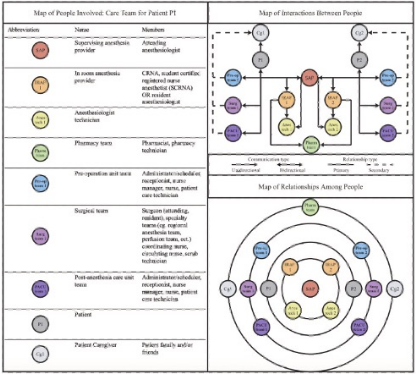
Modeling Anesthesia Delivery Using the SEIPS 101 Tools
DeForest, E., C. Lusk, D.M. Neyens, K. Catchpole, C. Jaruzel, C. Tobin, and J.H Abernathy III. https://doi.org/10.1016/j.apergo.2025.104555
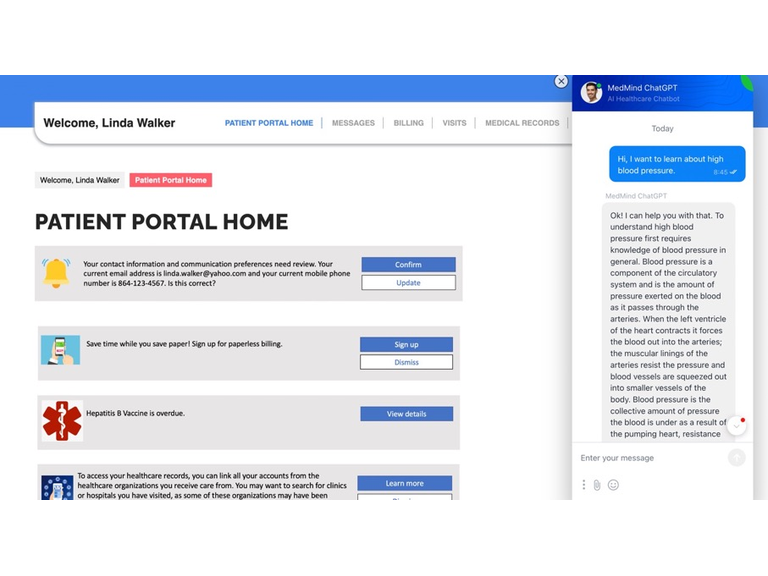
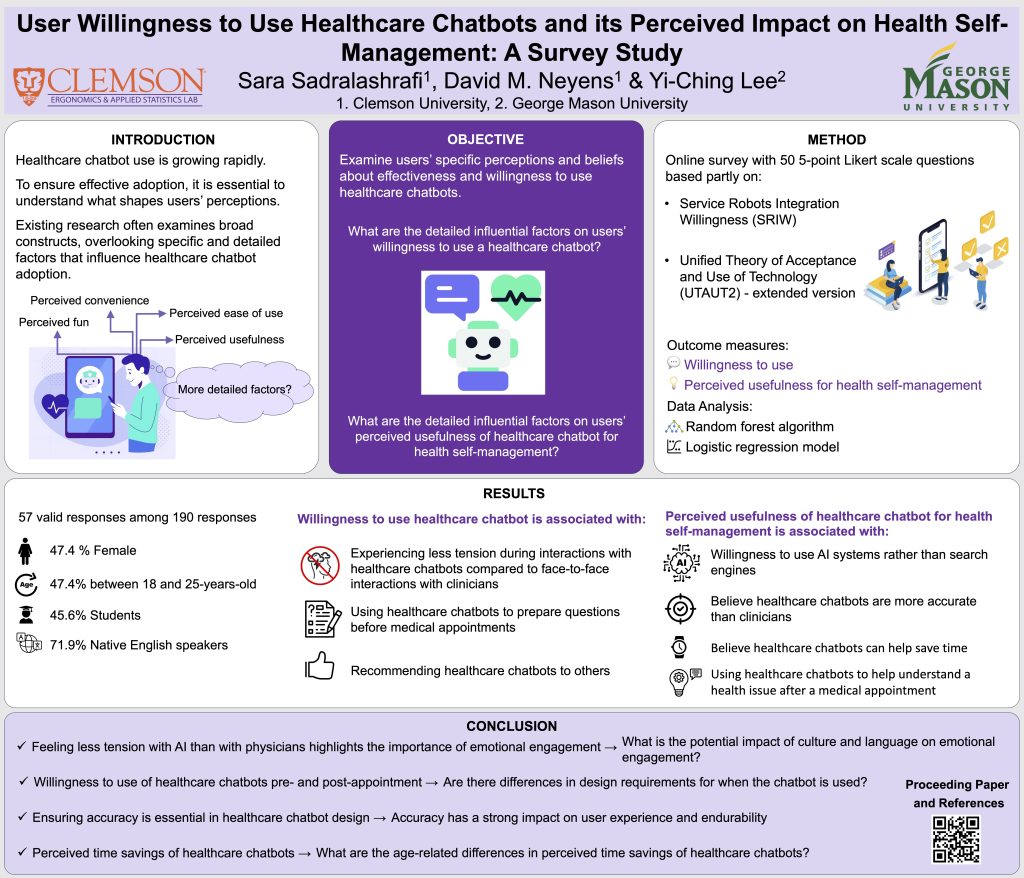
Users Willingness to Use Healthcare Chatbot and its Perceived Impact on Health Self-Management: A Survey Study
Sadralashrafi, S., & D.M. Neyens, Y. Lee https://doi.org/10.1177/10711813251359995
All journal papers and proceedings
2025 |
|
| 1. | Zeinali, Farzad; Taaffe, Kevin; Koscelny, Samuel Nelson; Neyens, David; Soman, Devi; Joseph, Anjali; Dietrich, Ann Evaluating the Impact of Psychiatric Emergency Units on Pediatric Mental and Behavioral Health Outcomes (Proceedings Article) In: 2025 Winter Simulation Conference (WSC), pp. 770–781, IEEE, Seattle, WA, USA, 2025, ISBN: 979-8-3315-8726-0. @inproceedings{zeinali_evaluating_2025, |
| 2. | Koscelny, Samuel N.; Sadralashrafi, Sara; Neyens, David M. In: Applied Ergonomics, vol. 128, pp. 104515, 2025, ISSN: 36870. @article{koscelny_generative_2025, |
| 3. | DeForest, Elise; Catchpole, Ken; Lusk, Connor; Abernathy, James H.; Neyens, David M. Modeling anesthesia medication delivery using the SEIPS 101 tools (Journal Article) In: Applied Ergonomics, vol. 128, pp. 104555, 2025, ISSN: 36870. @article{deforest_modeling_2025, |
| 4. | Catchpole, Ken R.; Neyens, David M.; Abernathy, James H.; Biro, Joshua Rethinking Anesthesia Medication “Errorsâ€: The OR-SMART Patient Safety Learning Laboratory (Journal Article) In: Journal of Patient Safety, vol. 21, no. 7, pp. 503–509, 2025, ISSN: 1549-8417, 1549-8425. @article{catchpole_rethinking_2025,Purpose: We combine the results of multiple studies to describe a systems engineering approach to a well-recognized patient safety problem. The goal of the Operating Room Systems-based Medication Administration error Reduction Team (OR-SMART) patient safety learning laboratory was to study the anesthesia medication work system to identify the characteristics of technologies and interventions that might feasibly reduce anesthesia medication errors. Scope: The work was conducted at 2 large urban academic medical centers: Johns Hopkins and the Medical University of South Carolina. We sampled across many different types of anesthesia work, understanding the challenges of work-as-done, and applying systems safety principles and evaluation frameworks. Methods: This was a mixed-methods study. Sources of data varied, with formal and informal interviews, formal and informal observations, video-based observations, hospital and national databases, and information from local incidents. Clinically embedded human factors professionals at both hospital sites facilitated informal sources of data. We explored the variable definitions of error; individual and organizational variability in decision-making; how syringes are used, stored, and moved within an operating room (OR); and used the Systems Engineering Initiative for Patient Safety framework to model medication processes. We were able to identify more than 100 possible interventions, and then prioritized a few for development and testing. Results: We identified medication icon labels, a syringe holder hub, and workspace design guidelines as interventions for evaluation. Significant benefits of medication label icons were found in simulation and were highly utilized in practice. The syringe hub demonstrated high acceptability at one site but substantially less at another. A virtual reality-based evaluation of the OR design found that situational awareness, visual monitoring, and available workspace were subjectively improved. |
| 5. | Koscelny, Samuel N.; Neyens, David M.; Zeinali, Farzad; Taaffe, Kevin; Joseph, Anjali; Dietrich, Ann A multi-site big data analysis of factors impacting the time to disposition in pediatric mental and behavioural health emergency department visits (Journal Article) In: Health Systems, pp. 1–14, 2025, ISSN: 2047-6965, 2047-6973. @article{koscelny_multi-site_2025, |
| 6. | Conner, Shannon; Harvey, Tyler; Boyer, D. Matthew; Kurz, Mary E.; Neyens, David Engineering Identity of Non-Traditional Students in an Undergraduate Transfer Program (Journal Article) In: The Journal of Continuing Higher Education, vol. 73, no. 3, pp. 271–285, 2025, ISSN: 0737-7363, 1948-4801. @article{conner_engineering_2025, |
| 7. | Koscelny, Samuel N.; Rucker, Robin; Reed, Michael; Duchowski, Andrew T.; Neyens, David M. Visual Attention in Healthcare Chatbot Interactions: Quantifying Varying Communication Styles with the K-Coefficient (Journal Article) In: Proceedings of the Human Factors and Ergonomics Society Annual Meeting, vol. 69, no. 1, pp. 153–159, 2025, ISSN: 1071-1813, 2169-5067. @article{koscelny_visual_2025,Advancements in artificial intelligence (AI) are transforming healthcare chatbots, improving their potential to support patient education and engagement. The effectiveness of healthcare chatbots depends not only on technical ability but also on how their communication style impacts user engagement, particularly through visual attention. To investigate this, a between-subjects study evaluated the effect of chatbot communication style (conversational vs. informative) on eye-gaze behavior in a knowledge-seeking task. Eye metrics were analyzed using quantile and linear regression models. Quantile regression models revealed the distribution of fixation duration was always higher in the informative condition, while saccadic amplitude and the K-coefficient varied across quantiles. The linear regression model showed that both communication style and stimulus progression significantly increased the K-coefficient over time. These findings demonstrate that chatbot communication style influences user visual attention over time, underscoring the need for future work to align chatbot communication styles with user attention patterns. |
| 8. | Koscelny, Samuel N.; Neyens, David M.; Dietrich, Ann; Joseph, Anjali Mapping Utilization Trends: Identifying and Understanding High-Frequency ED Users in Pediatric MBH Care (Journal Article) In: Proceedings of the Human Factors and Ergonomics Society Annual Meeting, vol. 69, no. 1, pp. 504–509, 2025, ISSN: 1071-1813, 2169-5067. @article{koscelny_mapping_2025,Pediatric emergency departments are experiencing a surge in visits related to mental and behavioral health (MBH), straining already overburdened healthcare systems. Understanding which subgroups of pediatric patients are most likely to return for repeated MBH-related visits is critical for designing targeted interventions and improving continuity of care. EHR data from 203,925 pediatric patients was used to identify utilization patterns among pediatric patients with MBH visits. We applied a SMOTE-enhanced, two-stage clustering algorithm based on total and consecutive MBH/non-MBH visits. Descriptive statistics and temporal visualizations were used to characterize and describe the resulting patient subgroups. Five distinct ED utilization clusters were identified, ranging from low utilizers with isolated MBH visits to high-frequency users with complex clinical profiles and substantial non-MBH utilization. These findings highlight the need for future research to identify high-risk trajectories and examine whether non-MBH visits may signal emerging behavioral health crises in pediatric populations. |
| 9. | Sadralashrafi, Sara; Neyens, David M.; Lee, Yi-Ching Users Willingness to Use Healthcare Chatbot and its Perceived Impact on Health Self-Management: A Survey Study (Journal Article) In: Proceedings of the Human Factors and Ergonomics Society Annual Meeting, vol. 69, no. 1, pp. 2041–2048, 2025, ISSN: 1071-1813, 2169-5067. @article{sadralashrafi_users_2025,Understanding the factors that influence users’ perceptions of healthcare chatbots is crucial for ensuring effective adoption and optimizing chatbots’ role in health service delivery. In this study, we conducted an online survey to identify specific beliefs and perspectives associated with users’ willingness to use healthcare chatbots and its perceived usefulness for health self-management. The results suggest that a willingness to use healthcare chatbots was positively associated with experiencing less tension during interactions with chatbots compared to interactions with clinician ( p < .001), using chatbots to prepare questions before medical appointments ( p = .003), and a willingness to recommend them to others ( p < .001). Views on health self-management using healthcare chatbots were also positively related to prior AI experience ( p < .001), data accuracy ( p = .025), time efficiency ( p = .022), and post-appointment use ( p < .001). These insights provide a nuanced understanding of user needs, enabling future chatbot designs to better address expectations and enhance user experience, satisfaction, and sustainable adoption. |
| 10. | Soman, Devi Abhishek; Koscelny, Samuel Nelson; Neyens, David; Dietrich, Ann; Narasimhan, Meera; Taaffe, Kevin; Allison, David; Joseph, Anjali Using patient journey mapping and provider workflows to understand process barriers to pediatric mental and behavioral health care in emergency departments (Journal Article) In: Applied Ergonomics, vol. 126, pp. 104512, 2025, ISSN: 36870. @article{soman_using_2025, |
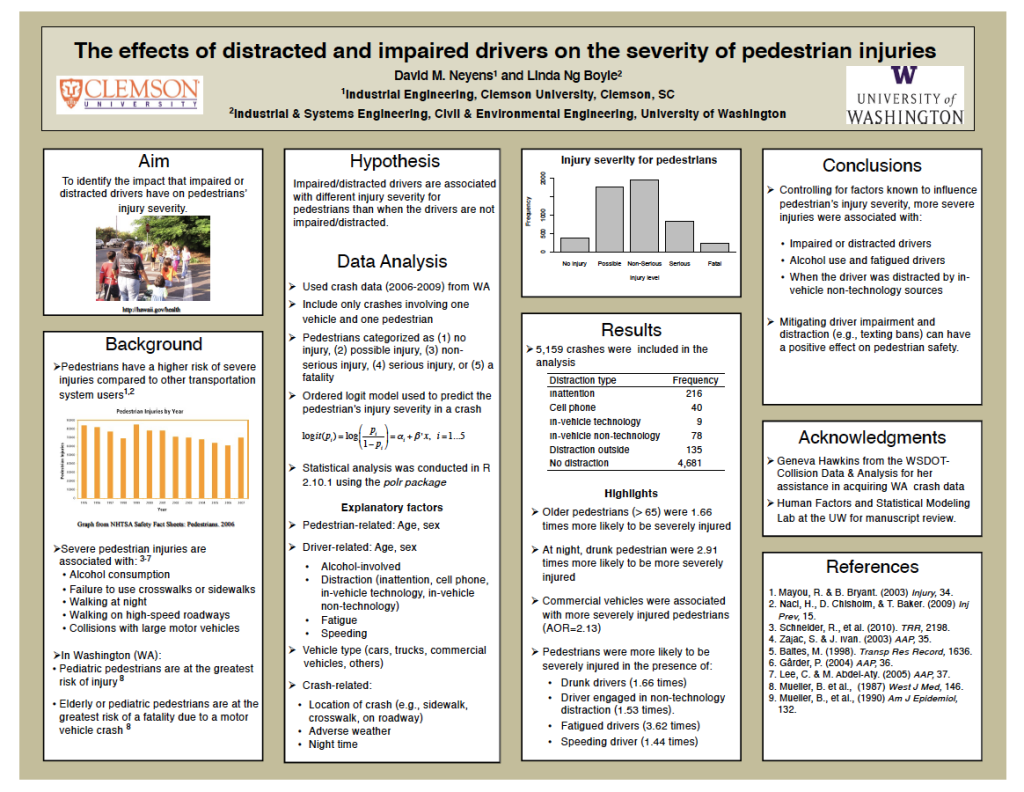
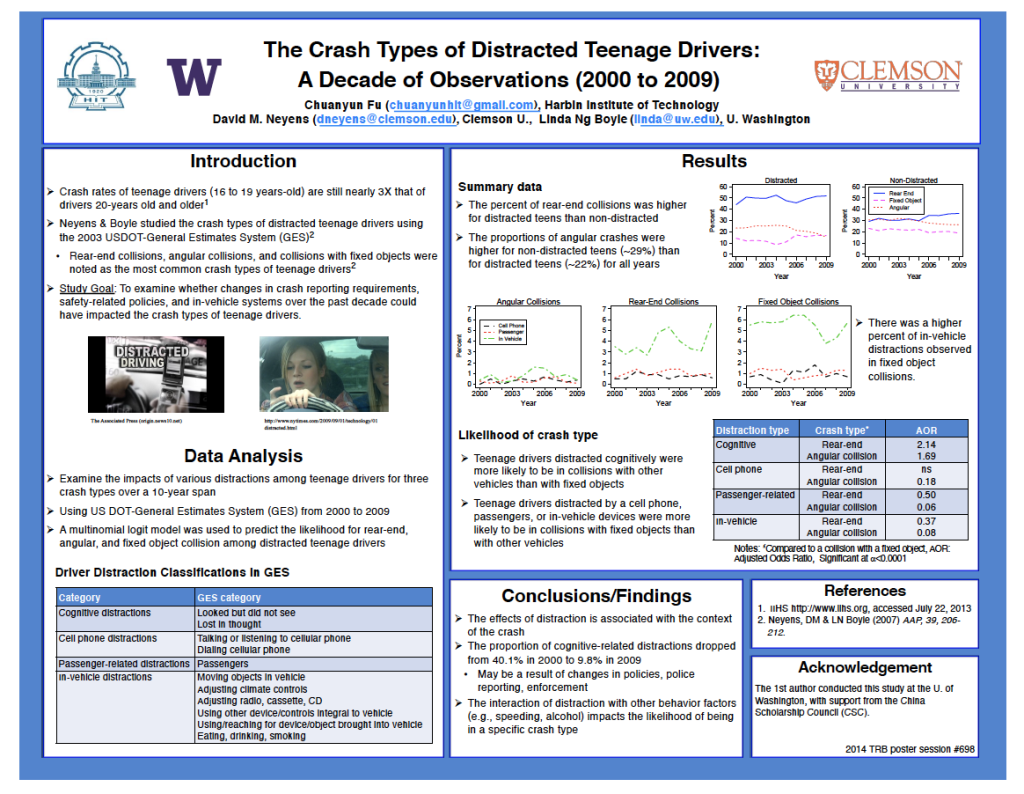
A selection of our presented posters
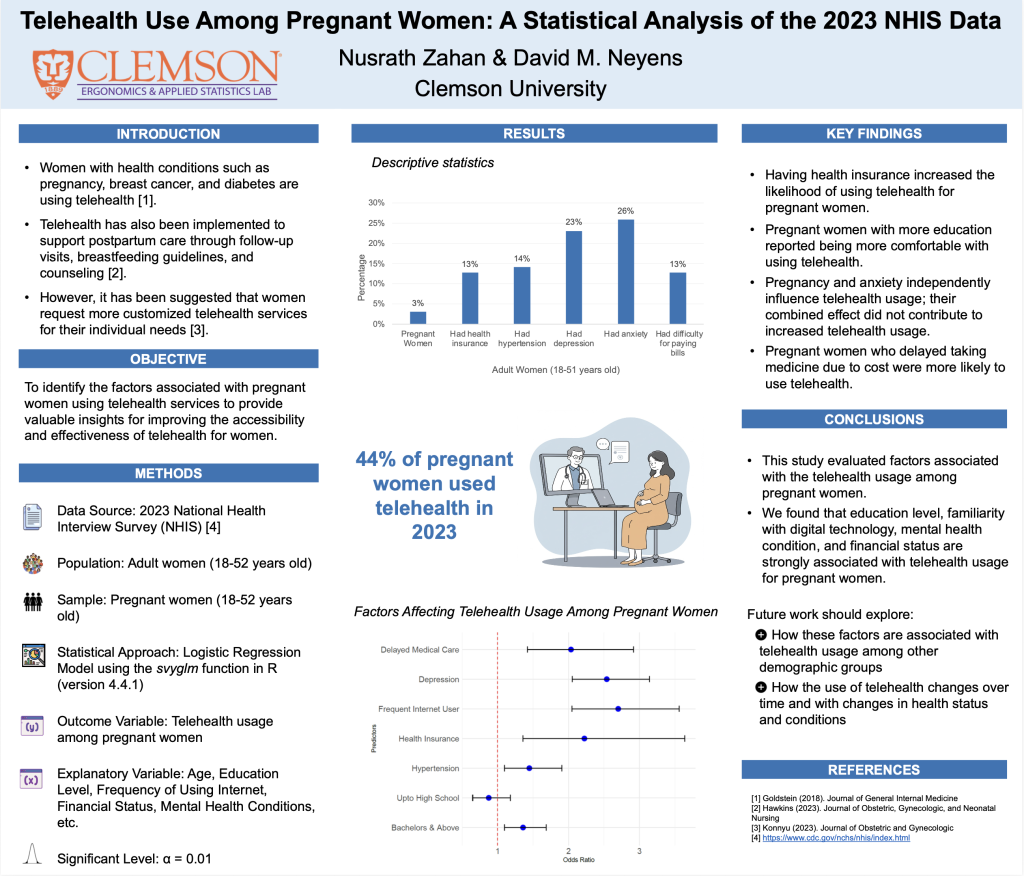
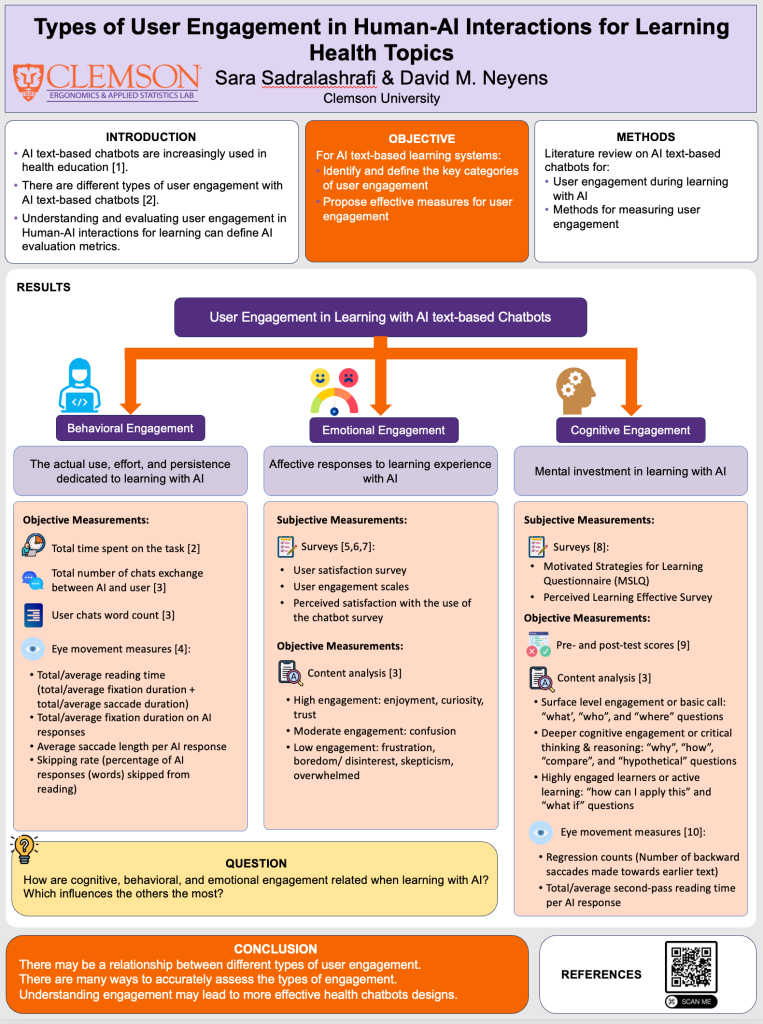
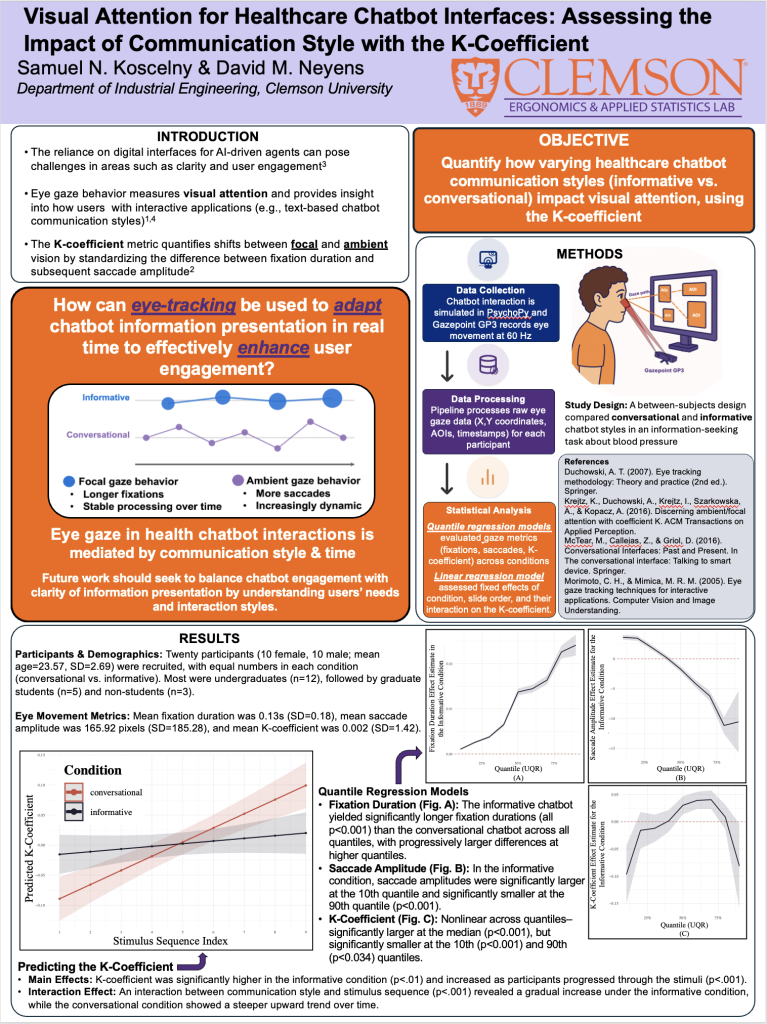
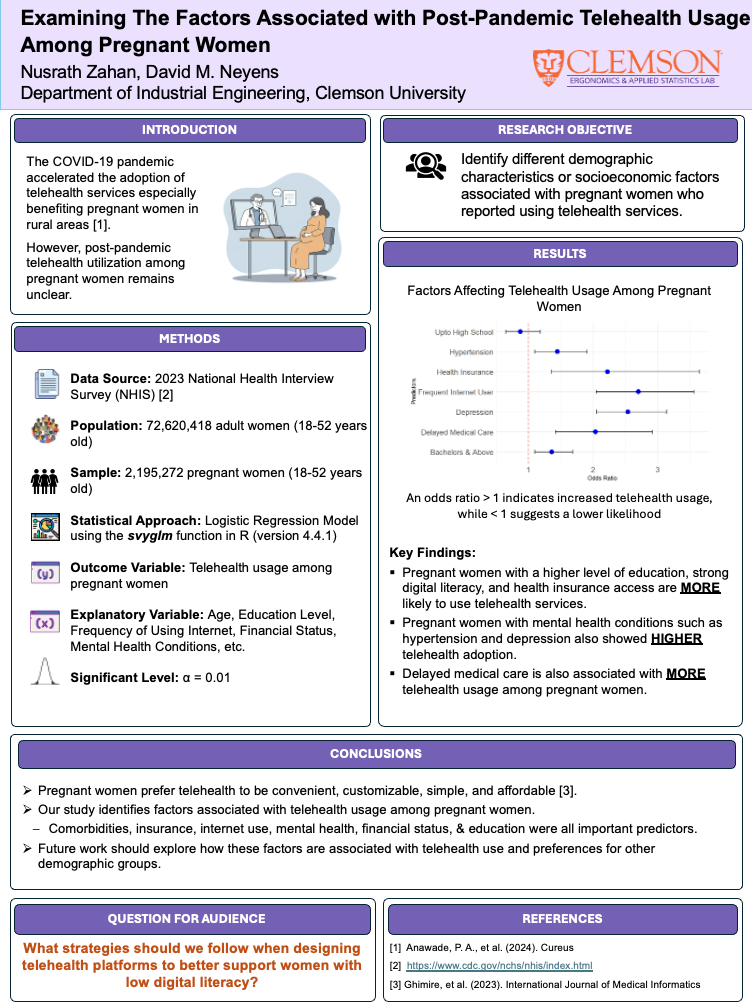
We have received funding from:









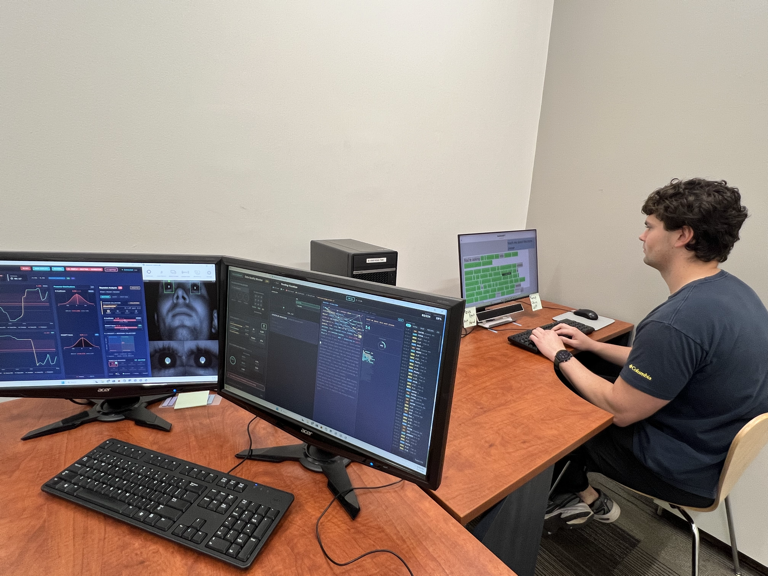
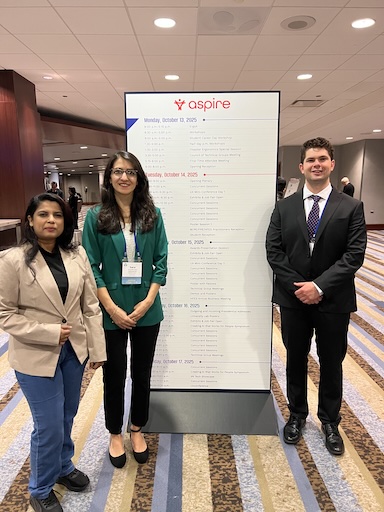
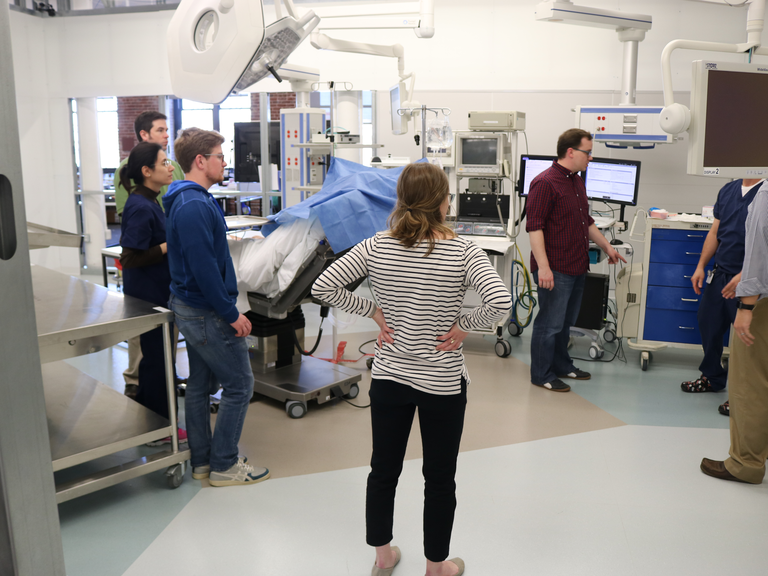
Facilities
Opportunities for Students
PhD Students
Unfortunately, there are no current openings for PhD students.
However, if you are interested in inquiring, please send a letter of intent and your CV to Dr. Neyens and please reference at least one of our lab publications that interests you.
Undergraduate Research
CI Class:
Evaluating and Improving Ergonomics in the Ceramic Arts
Contact Dr. Neyens if you are interested in joining the CI team.
Undergraduate Research
CI Class:
Human Factors in Medical Device Reprocessing
Contact Dr. Neyens if you are interested in joining the CI team.