
Nearly 100 Participants
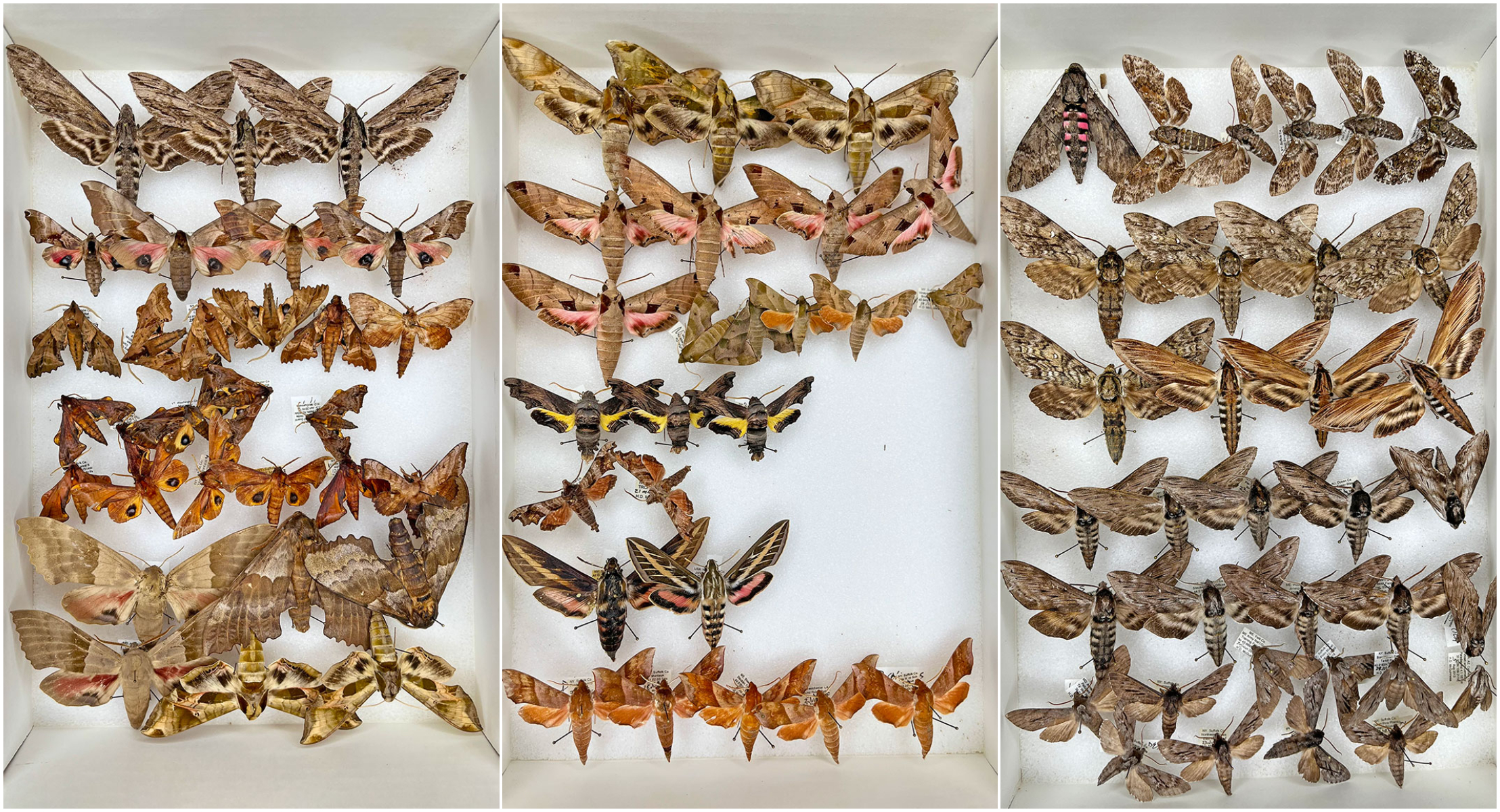
Special thanks from Hugh D McGuinness from Washington, DC, for his collection

The AIMS lab works with
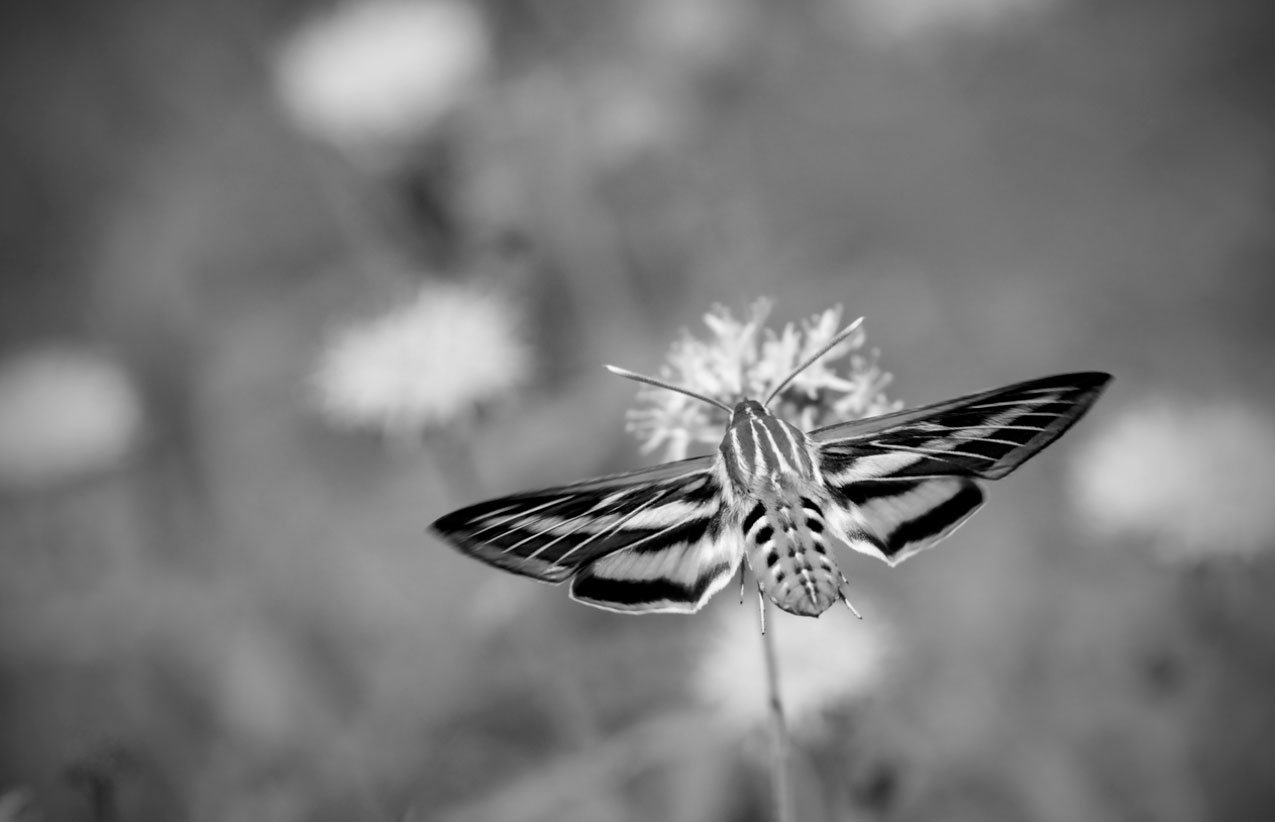
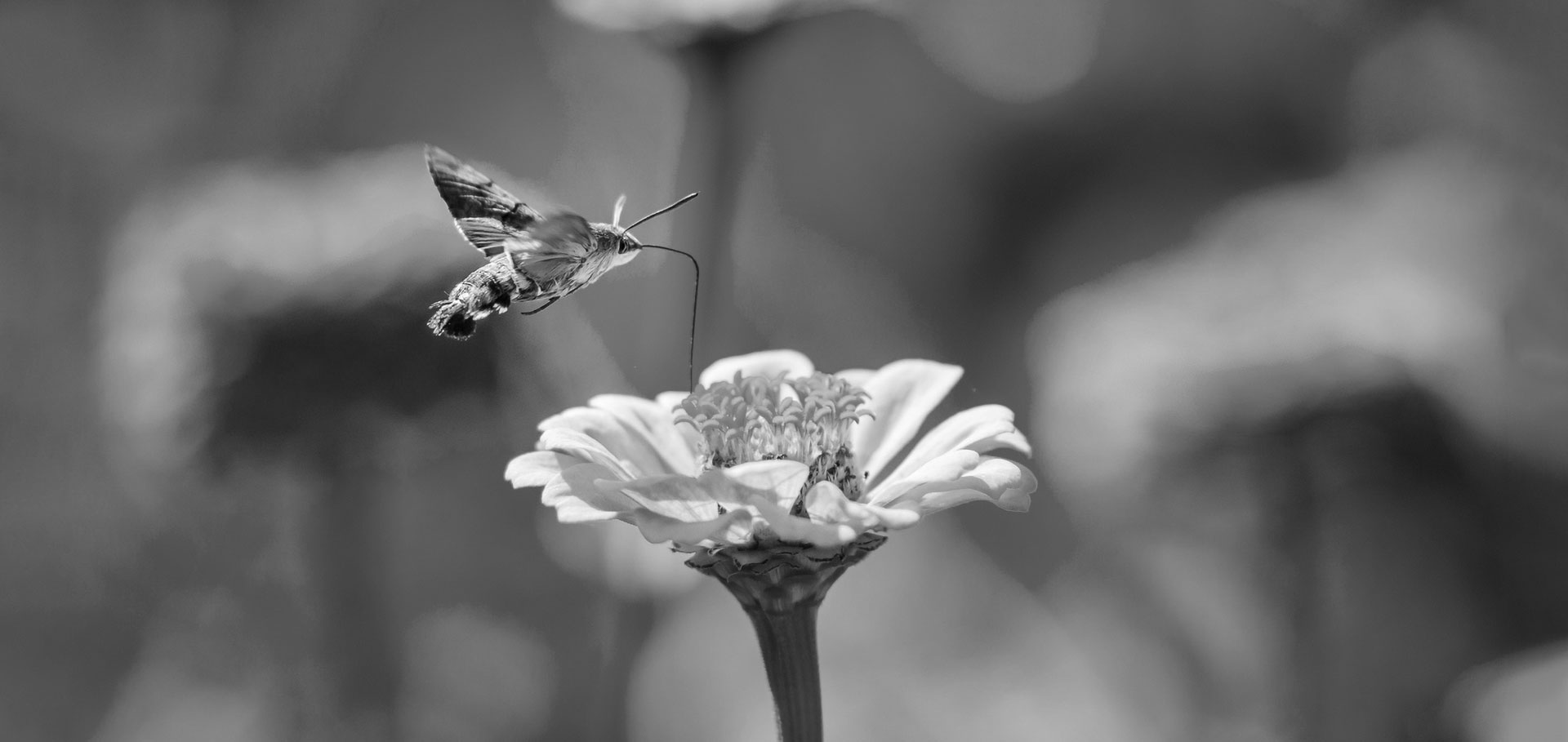
cockroaches, stick insects, longhorn beetles, hawkmoths, and butterflies, and
will be excited to expand our library of insects that use their antennae in
unusual and unexpected ways.
We invite citizens to send us
photos and short videos of unusual antennae or antennae being used in unusual
ways, which will be posted on our website, with attribution to the
photographer. These images will help us more broadly understand and interpret the
principles of insect antennae that we discover in our laboratory.
Kate Gaiser
kgaiser@clemson.edu
Department of Materials Sciences and Engineering
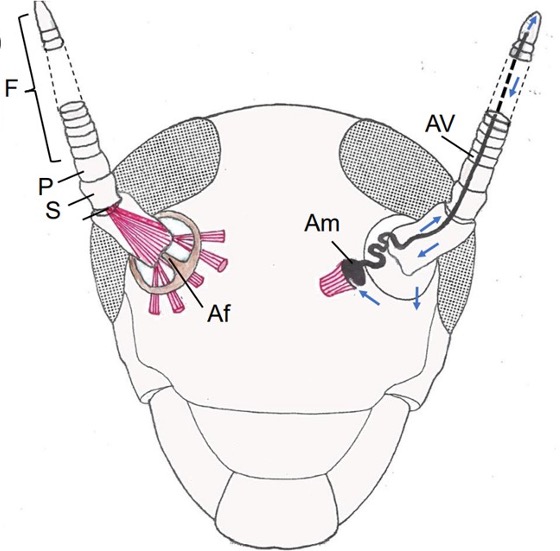
Each antenna consists of three basic components: scape (S), pedicel (P), and flagellum (F). The left side shows the movement apparatus of the antenna. The antennifer (Af) is a pivot point that forms the articulation (Am) of the scape and allows the antenna to move freely in all directions; between the scape and pedicel is a hinge joint allowing only up and down movements. The flagellum cannot be actively moved by muscles. The right side shows the circulatory organ associated with each antenna. Close to the antennal base is a pulsatile sack (Am) that is connected to the antennal vessel (AV) shown as a solid line that runs along the antenna. Blood enters the pulsatile sack through a slit-shaped pore and flows to the tip, where it empties into the inside of the antenna and flows back into the head. Blue arrows indicate blood flow.
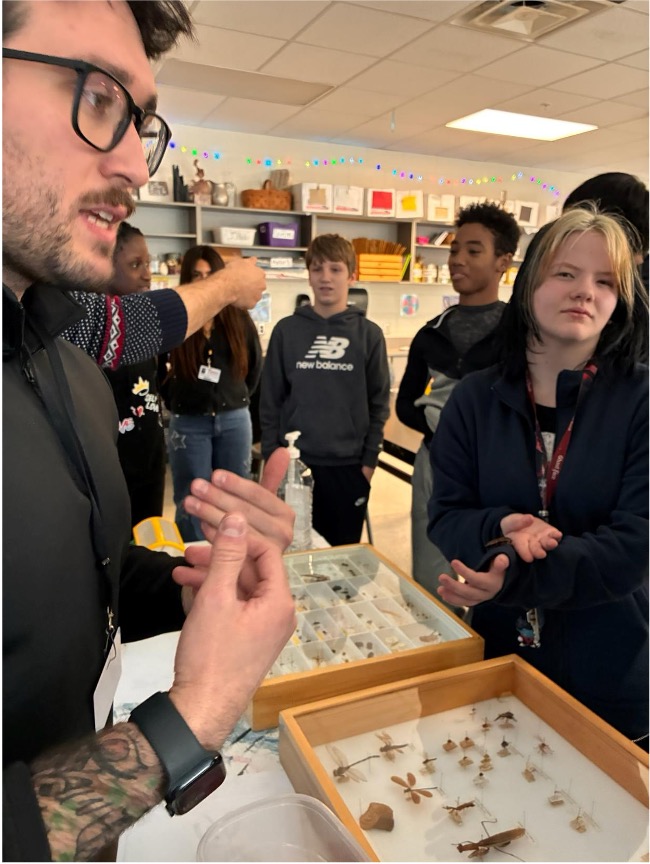
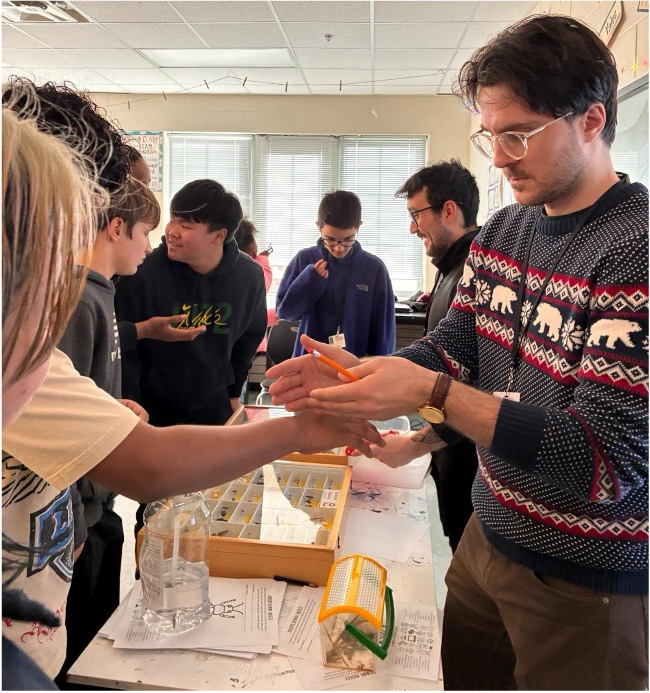
We will be happy to share the AIMS lab's excitement about the insect world with schoolteachers and their students. We aim to inspire them by showing how curiosity can lead to scientific discovery. A series of available presentations for students of different ages aims to show that one can find science around us, actively exploring and enjoying insect life. Please contact:
Presentation Contact
Kate Gaiser

This project investigates the biomechanical and fluid-mechanical mechanisms that insects use to move their antennae. Antennae are sensing organs that provide insects with astonishing abilities to navigate in air and water and on land or to identify a mate, a predator, or another member of their own species. All of these tasks require a millisecond-fast mechanical response by the antennae to environmental perturbations. Insects express a broad range of antennal forms, with diameters spanning orders of magnitude from submicrons to millimeters, and a large range of length-to-diameter ratios, all of which pose significant engineering challenges for insects to control their antennal movements. To understand the wide-ranging abilities of flying and nonflying insects to respond to environmental perturbations, a diverse team of researchers will investigate the structure, function, and biomechanics of antennae. Hovering and nonhovering hawkmoths and flying and nonflying cockroaches will be used to provide insights into the role of antennae in species diversification. The results will provide strategies for designing novel bio-inspired fiber-based micro-actuators, sensors, and micro-robotics that can take advantage of the mechanisms insects use to manipulate their antennae. The knowledge gained and the techniques, instruments, and materials developed will benefit biological and engineering sciences. The team will nurture a new educational culture integrating biology and engineering to prepare a new generation of scientists, engineers, and teachers. Participating in public outreach activities related to the project, students will lead citizen-science activities that provide insects, such as hawk moths, for study and will share results on a dedicated webpage. VIEW PROJECT DETAILS >>